
Searching the Norman Court Docket
The Arkansas Judiciary lists no court database just for Norman. Start instead at Search ARCourts. If you lack a case number, search by participant name. Got the exact number from a citation, summons, notice, or file stamp? Use it directly. Set the filter to Montgomery County. Then read the court and location fields on each result. Traffic, misdemeanors, violations, small claims, and limited civil matters sit with the shared District Court. Circuit Court takes felonies plus the broader civil, probate, domestic-relations, and juvenile work.
- Read the citation or notice to identify District Court or Circuit Court.
- Open Search ARCourts and search by full legal name, organization, or case number.
- Choose Montgomery County and open the complete result rather than relying on one line.
- Review events, docket entries, case status, and disposition as separate fields.
- Call the District Clerk at 870-867-2221 or Circuit Clerk at 870-867-3521 to confirm the record.
Don't expect Norman to show up as a court choice. That is normal here. The filing court sits in Mount Ida, so search the court named on your source paper instead of forcing Norman into the location field.
Norman Town Hall Is Not Court
The town office sits at 133 Golf Course Road. Mail goes to PO Box 427. Per the official Norman town website, the phone is 870-334-2400 and doors open Monday, Wednesday, and Friday from 9:00 a.m. to 3:00 p.m. Those hours belong to the town, nothing more. They are not a court calendar. Nor do they reflect the District clerk's schedule or promise that a judicial record waits at that desk.
| Norman contact point | Proper role | Not its role |
|---|---|---|
| Norman Town Hall | Town government business | Court docket custodian |
| Mount Ida District Clerk | Traffic, misdemeanor, small-claims, limited civil records | Circuit felony custodian |
| Montgomery Circuit Clerk | Felony and general-jurisdiction case records | Town administration |
For any Norman court date, copy, or docket question, call the filing clerk. Town Hall can speak to town operations, but only the clerk of court can confirm the record itself.
Norman Municipal Court Basics
The official state court directory shows no separate Norman municipal court, judge, city clerk, or docket portal. Minor Norman matters go to the Mount Ida Department of the 24th State District Court. That shared bench is not a Norman municipal court. Judge Danny Thrailkill presides, and Crystal Carlton serves as chief clerk per the directory.
The caseload is broad for a lower court. It hears traffic cases, misdemeanors and violations. Small claims go up to $5,000. Civil matters stay within the $25,000 District Court limit. Anything beyond that ceiling, including felonies, moves to Circuit Court. The Montgomery County Circuit Clerk also keeps the wider civil, probate, domestic-relations, and juvenile files. Some of those categories stay confidential. The clerk maintains them anyway.
Note: A Norman mailing address or a police reference never decides which docket holds a case. The court label and case type do that.
Norman Dockets by Court Level
A traffic stop in Norman and a felony arrest there can end up in two different courthouses. Minor work normally stays with the shared District Court. Think a traffic charge, misdemeanor, violation, qualifying small claim, or limited civil action. A felony, major civil suit, probate matter, domestic-relations action, or juvenile case goes to Circuit Court. Get the level right. It tells you the clerk to call, the phone number, and the suite. You also learn the case category and where a certified record comes from.
- District docket
- The chronological record for lower-level matters kept by the Mount Ida District clerk.
- Circuit docket
- The case register for general-jurisdiction matters kept by the Montgomery County Circuit Clerk.
- Setting
- A scheduled court event whose purpose may be plea, pretrial, motion, trial, sentencing, or review.
- Disposition
- The recorded resolution of a case or individual charge, not merely a closed status label.
Norman sits inside a shared court system, so one search tool covers several courts at once. Search ARCourts works that way. It pulls District and Circuit cases into a single statewide service, which can hide the local split. Read the court and case-type lines before you call anyone. If a District matter gets appealed, the original District record still matters. A new Circuit docket may open too. Search both numbers. For a felony, District Court can handle specified preliminary proceedings without becoming the office that later prosecutes the case in Circuit Court.
Access also varies by subject matter. A routine civil or traffic register may show public details. Juvenile, adoption, sealed, and protected family material may be absent or redacted. Ask the clerk what identification or court permission applies to you. A blank result never proves a restricted proceeding did not happen.
Keep your Norman source paper close. A Norman citation can point to the shared District Court. The portal offers no Norman court filter. A Norman civil notice may point to Circuit Court instead. The place name tells you where the matter arose. The filed court line tells you where the Norman docket lives. Calls follow the same split. Take Norman traffic questions to the District clerk, and Norman felony-record questions to the Circuit Clerk.
Exact facts make Norman record requests work. Give the clerk the party name as filed. Add the court level, case number, year, and entry date. An older Norman case can vanish from view. Ask whether the record sits in paper, microfilm, storage, or under a different caption. If the event shows online but the image does not, quote the description so the clerk can separate the docket entry from the actual document.
A current setting needs the same care. Check the newest Norman event, then ask whether a reset, amended notice, or signed order changed it. Confirm the time, setting type, and Mount Ida location. This prep cuts confusion. It does not mean Norman runs a separate court.
Norman is a place context, not a court label. A Norman search can still be exact when you pair the Norman source details with the Montgomery court and keep the citation number intact. Use the party spelling from the filed paper. When a result opens, check that the court and case type match the Norman notice. When nothing opens, the clerk route stays the same: the shared District or Circuit office in Mount Ida.
Norman Dockets Serve 303 Residents
Norman counted 303 residents in the 2020 Census. That small scale shapes how court access works here. Montgomery County holds four incorporated places and one listed District Court location, centered in Mount Ida. Population never limits access. It does mean no Norman-only calendar, citation portal, clerk window, or case-number system exists. The Census incorporated-place table supplies the official place evidence used for Norman.
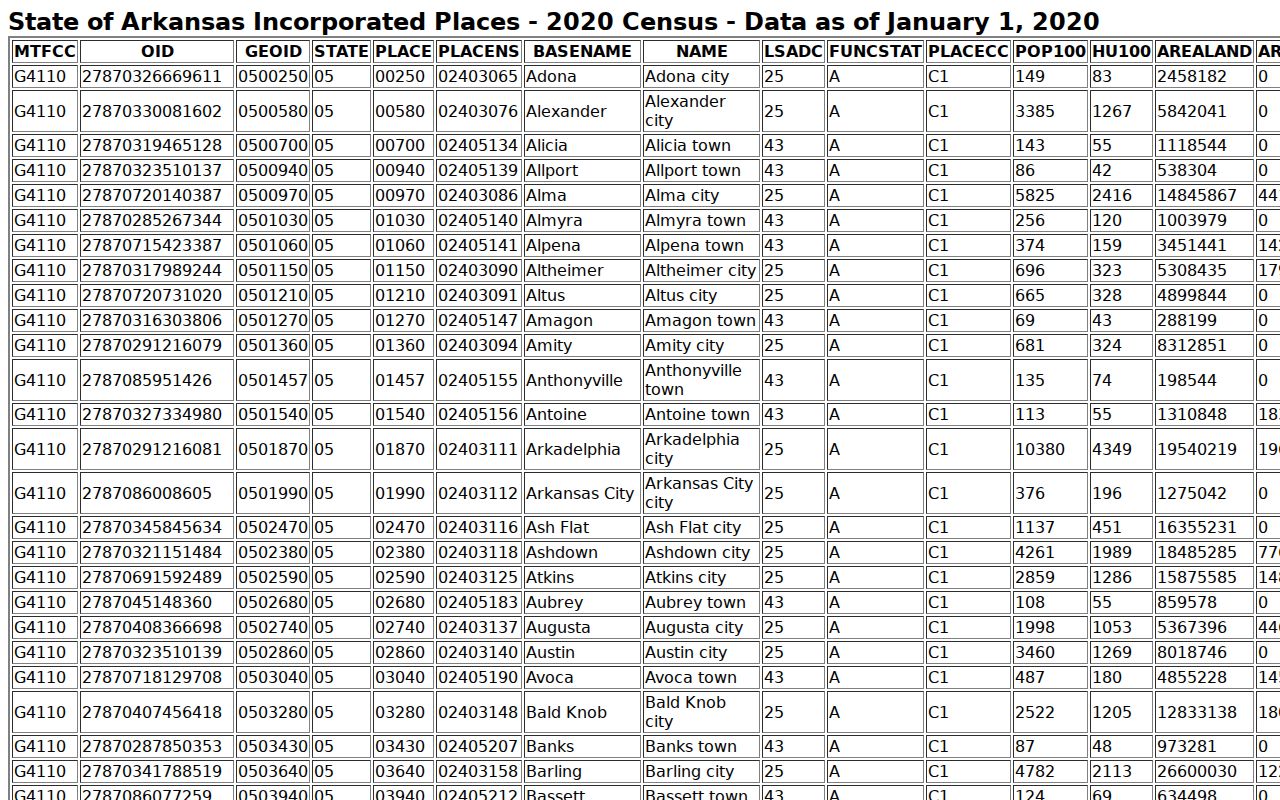
That Census table proves Norman is an incorporated place. It does not create a separate Norman court or change the Mount Ida filing route.
Court Dates and Settings in Norman
No Norman daily court-calendar page exists. Find the case in Search ARCourts and read the newest event or setting. Compare it with the latest filed notice. Then call the correct clerk. Older dates can stay in the record after a reset, and a setting type such as arraignment, pretrial, motion hearing, plea, trial, sentencing, or review names the event's purpose, not the outcome.
| Date | Check the latest current event and reset history. |
|---|---|
| Time | Confirm with the filing clerk when absent or unclear. |
| Courtroom | District proceedings use 225 Fairground Road in Mount Ida, not Norman Town Hall. |
| Judge | Read the assigned judicial officer where published. |
| Setting Type | Shows the purpose of the appearance, not a ruling or final result. |
Call before you drive from Norman. The District clerk counter sits at 105 Highway 270 East #2, and the courtroom is at 225 Fairground Road. For Circuit matters, confirm with the Circuit Clerk.
Norman Citation Docket Route
A Norman citation should name the court and appearance terms. Follow that source. The ordinary local flow is Norman citation › Montgomery County District Court › Search ARCourts for case activity or eTraffic for an eligible payment › District Clerk for confirmation. Do not substitute Town Hall hours for the appearance deadline printed on the citation.
Each tool asks for different details. Search ARCourts can show a case summary, participants by role, offense, events, plea, disposition, sentence, and docket entries. eTraffic works differently. It asks for the court and party names. Then it wants the citation number. Or it takes a license or state-ID number with date of birth. A ticket can take up to one week to reach the state payment system.
Norman ticket check: if the citation is missing online, confirm spelling, the issuing court, and the citation number, then call 870-867-2221.
Traffic Tickets in Norman
Arkansas eTraffic handles payment for eligible citations in participating courts. These include Mt Ida and Montgomery County District Court. It is a payment route, not a Norman docket. Search ARCourts gives the broader public case information. Use the citation and the shared District clerk when choosing between the two. The county-wide Montgomery County traffic ticket record covers the full field set. It also explains the payment distinctions.
Paying in full online waives appearance and trial. The electronic agreement treats that payment as a guilty or no-contest plea. Plan to contest the charge or ask about an option? Call before you pay. DWI and some other violations require appearance and cannot be paid online. The court offers no Norman-specific deferred program, defensive-driving fee, or amnesty process.
If the date passed, call the District clerk. Failure to pay and failure to appear can bring a warrant. It can also bring license suspension and added costs. A portal balance alone cannot confirm current warrant action.
Norman Court Records and Place Data
Norman is an incorporated Arkansas town, and its court records stay centralized rather than local. For a second official geographic source, the 2020 Arkansas place gazetteer lists the town with its official place data from the Census Bureau.
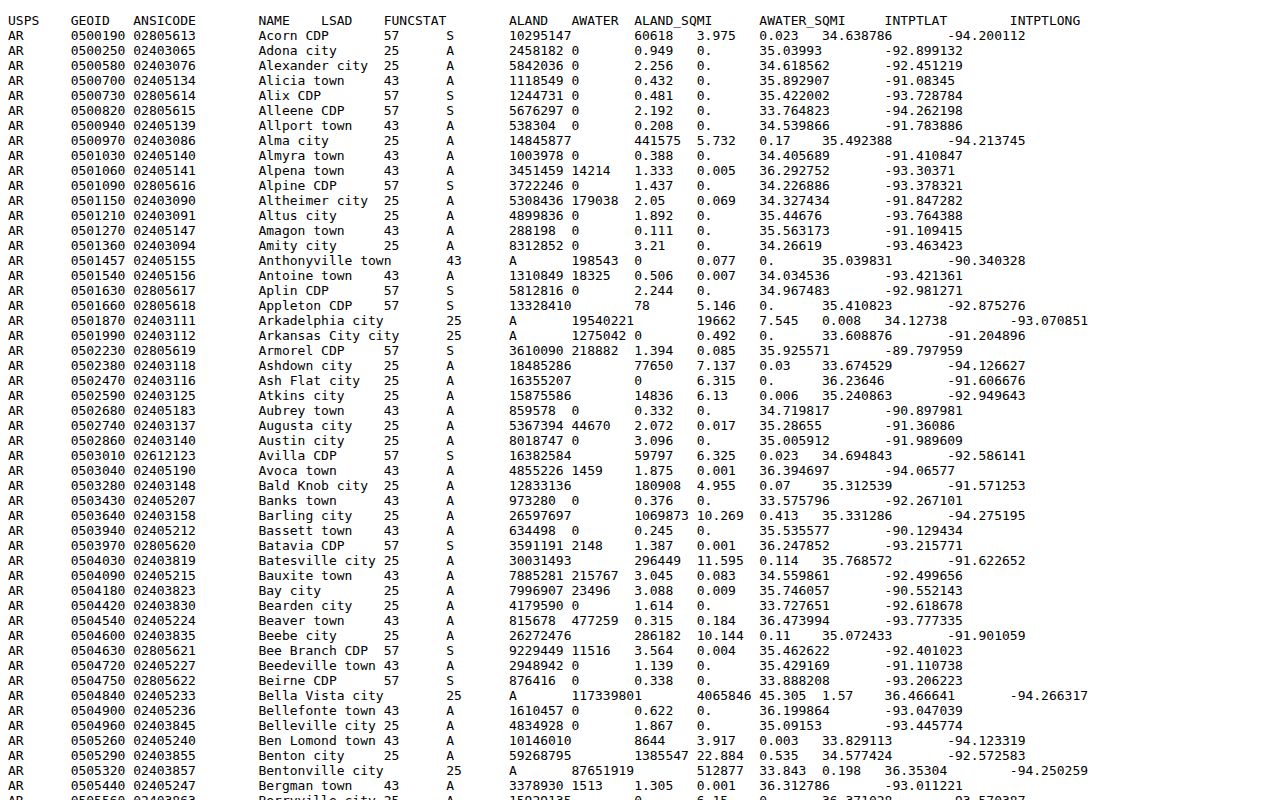
That gazetteer settles Norman's place identity. It does not create a local court. Jurisdiction follows case type and the official Arkansas Judiciary listing, not town lines.
This matters because people make a common mistake. A town can host government offices yet have no court division of its own. Norman residents rely on statewide search tools and Montgomery County clerks, since no Norman judicial office exists.
Where Norman Cases Go
Cases around Norman split by type. Minor criminal, traffic, violation, small-claims, and limited civil matters go to the shared State District Court. Felonies and general-jurisdiction civil cases belong to Montgomery County Circuit Court. Domestic-relations, probate, and juvenile matters also sit in Circuit Court. Public access to those files can be limited, though. One wrinkle: District Court may handle early felony functions. It may never hold the later Circuit case file. A Montgomery County court docket search at either level can miss part of the story.
Docket flow: Norman matter › Montgomery County District Court › Montgomery County Circuit Court when jurisdiction or appeal requires
Appealing a District case creates a higher-court record. Arkansas District Court Rule 9 materials describe a certified-docket-sheet route and a 30-day deadline for civil appeals, though the right rule depends on the case type, so confirm it promptly. The Montgomery County court docket page maps the wider county structure.
Missing Norman Docket Result
A blank docket search result has ordinary causes. The filter may be too narrow. The name may be spelled differently. The citation may be too new or from the paper era. It could also sit at the wrong court level or fall under a lawful restriction. Clear the date and status filters. Search any organization separately. Copy the case number punctuation exactly. When the level is unclear, check both District and Circuit Court.
If nothing turns up, call the clerk. Ask whether that year is online. Ask whether the case is indexed under a different style. Ask whether a docket sheet or filed item can be inspected or copied. The county offers no guaranteed public terminal, no Norman court office, no local digitization cutoff, and no web copy form. Before mailing a request, ask about cost, payment, return postage, certification, and handling time. Skip emailing sensitive identification unless the clerk directs it for an authorized restricted-record request.
Norman Court Record Access Rules
A Norman docket can be public while pieces stay closed. Images, exhibits, addresses, identifiers, juvenile cases, adoptions, and sealed filings may all be unavailable. That can hold true even when the docket itself is open. Search ARCourts gives free case information. But it is not a certified court record. For official proof, ask the District Clerk or Circuit Clerk for the maintained record. Say whether you need a docket sheet, an individual filing, a plain copy, or a certified copy. No local fee schedule is published. Call for a current quote.
Key Rules:
Administrative Order 19 sets Arkansas court-record access rules and exclusions.
Arkansas Code Title 9 protects specified juvenile and adoption material.
Arkansas Freedom of Information Act provides broad public-record principles, while judicial files remain governed chiefly by court rules and authority.
Administrative Order 19 shields Social Security numbers, account numbers, and similar protected material. If access is denied, ask the custodian which rule or order applies. Also ask what process exists for a party or other authorized requester.